
Week 2
- Home
- Blog
This week we are revisiting the idea of Foley and ADR, going back into the definitions, then a bit of history and fun facts, and finishing with a visual/auditorial example.
Again, foley is a technique used in post-production (post) where sound is recreated because it was either, not audible or present during the original recording, to exaggerate or enhance an existing sound and to set the emotional tone of the scene you’re watching.
ADR stands for Automated dialogue replacement, where voices are re-recorded in the post to place over existing or non-existing dialogue in a scene to enhance the audience experience with the tone.
How foley forever changed film and audio.
In order to make radio dramas and audio plays interesting and captivating, performers would need to make sound effects as they live-read scripts plays, and stories back in the1920s.
This only took off from here, the audience truly felt immersed in the story, as sound was recreated like walking, slamming doors or creaking noises. Before we knew it, productions began to make pictures talk.
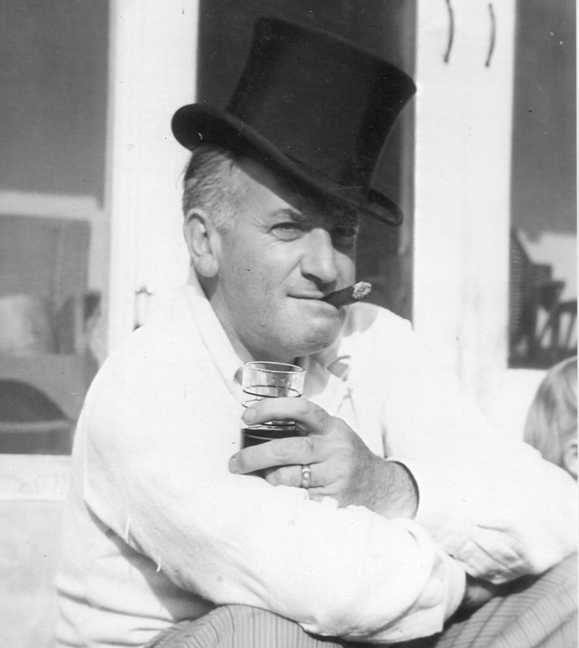
Jack Foley
Jack Donovan Foley (April 12, 1891 – November 9, 1967). American sound effects artist.
In the 1920s the term was coined when a California man by the name of Jack Foley who became part of the film industry originally as a location scout; When suddenly Universal Studios comes in town, wanting to hop on the train of creating a talking picture, found Mr. Foley was willing to execute the task of making sound effects for their first talking picture.

“Therefore [foley] can speak to us emotionally and almost subconsciously put us in touch with a screen character.”
Elisabeth Weis (Cineaste, 1995) writing on sound design. Sync tanks. The Art and Technique of Postproduction Sound.
Mr. Foley would get together with a couple of others and would make noises to recreate sound effects in the post while watching the entire movie so everything could be in sync. He is well beloved because he set the expectation that you didn’t even know something was foley in the first place. His techniques were subtle to where no one could tell a difference.
He forever changed the making of movies, and the term was coined in his example. Here are a couple of his works: Melody of Love (1928), Show Boat (1929), Dat Ol’ Ribber, Dracula, Spartacus, and Operation Petticoat.
Schindler’s List: Audio setting the scene.
Why Foley and ADR make your favorite movie scene, your favorite movie scene. I invite you to play the video below on mute.
It’s a 5 1/2 minute clip from one of my favorite movies Schindler’s List. Not many words were exchanged in this scene, especially considering the hundreds of people in the scene. You don’t need to play the entire thing on mute, you’ll get the idea.
About 2 minutes in, all you notice is a couple of solemn-looking faces, warm handshakes and heartfelt words probably being said.
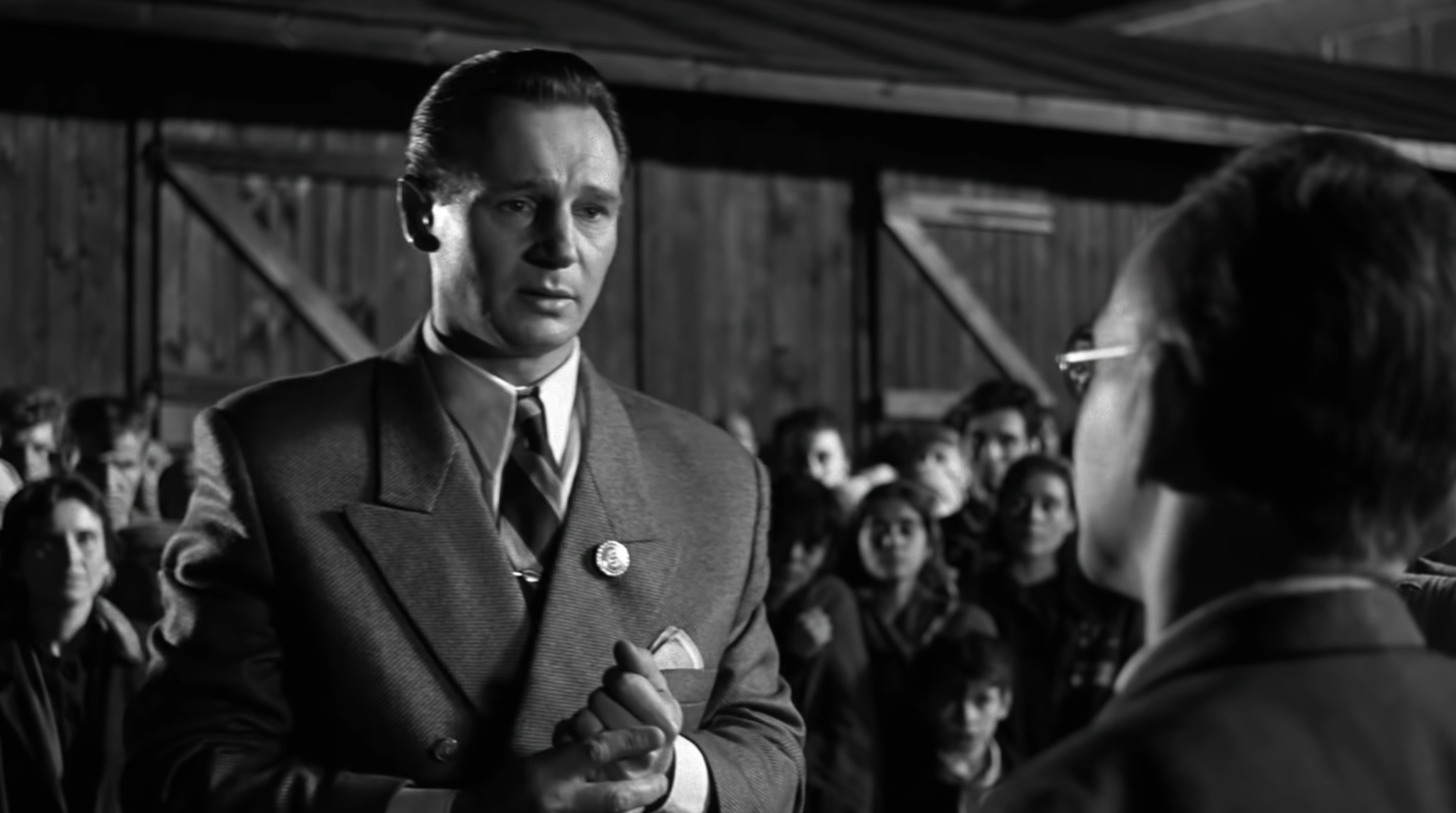
After unmuting the video, the scene comes together. The subtle crickets and night noises fill the background to set a nighttime ambiance. The European accents are made clearer and their soft tones further set the scene of the mood and even the time in history, all topped with a soft melodic violin, and piano crescendoing at a perfect level to compliment the voice and the tears of the actor.
My point of this is that most of the audio in this clip here, as in most movies, were not natural sounds made on set.
This is because normal cameras or even microphones cannot properly record all sound effects that are taking place in the moment of shooting a scene. Furthermore, those sound effects don’t even happen at all in the scene like an eagle screeching or a child laughing. It simply just sounds right to include it.
Schindler’s list in this case, the tiny pebbles beneath the actors’ feet were too quiet to actually capture, so in post, the sounds of stepping on pebbles were recreated. Obviously, the orchestra was done in post as well, recorded live, edited, and then implemented into the film.
This is how powerful audio can be. It can enhance the experience of an entire film, without those sound effects you risk losing an audience because they don’t know what to make of what they are watching. With audio enhanced, you gain the mood, the context, and the story itself.

Vivian is 23 years old, currently studying Digital Content Creation. She specializes in Digital Design & enjoys all forms of art.
She dedicates her time to creating her own forms of art and collaborating with other artists and individuals to execute art projects.